
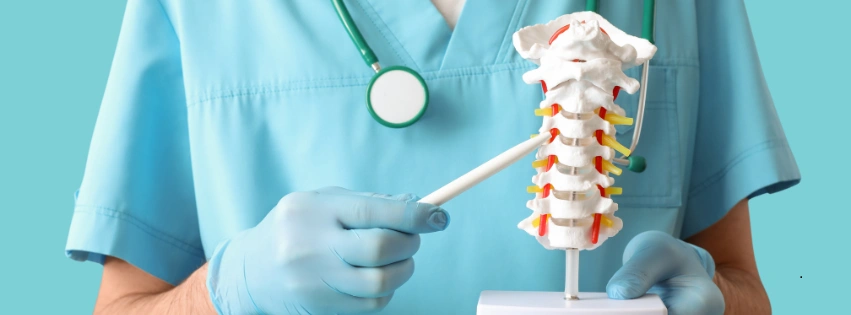
Spinal Cord
Injury Recovery.
SCI rehabilitation changes the future. Experience advanced clinical neuro-rehabilitation at Jayanagar, Banashankari, and Vasanthapura branches.
Defining Injury
Damage to the spinal cord disrupts movement and sensation. Patients with paralysis recovery require long-term neuro care to utilize remaining neural pathways.
"Patients with incomplete spinal cord injury often show higher recovery potential with early intensive rehabilitation."
Early Symptoms
- Sudden weakness or paralysis in limbs
- Loss of sensation (numbness or tingling)
- Severe back pain or pressure in neck/head
- Changes in bowel or bladder control
- Difficulty with balance and coordination
Clinical Necessity
SCI rehabilitation cannot be safely or effectively conducted at home. Clinical visits are mandatory for specialized hardware and expert safety systems.
Urgency:
- Newly injured patients
- Post-surgery recovery cases
- Cases of progressive weakness
Clinical Protocols
Neuro-Techniques
- NDT & PNF Patterns
- Task-Specific Relearning
- Trunk & Core Stabilization
Technology
- Electrical Stimulation
- Harness-Supported Gait
- Balance & Mobility Drills
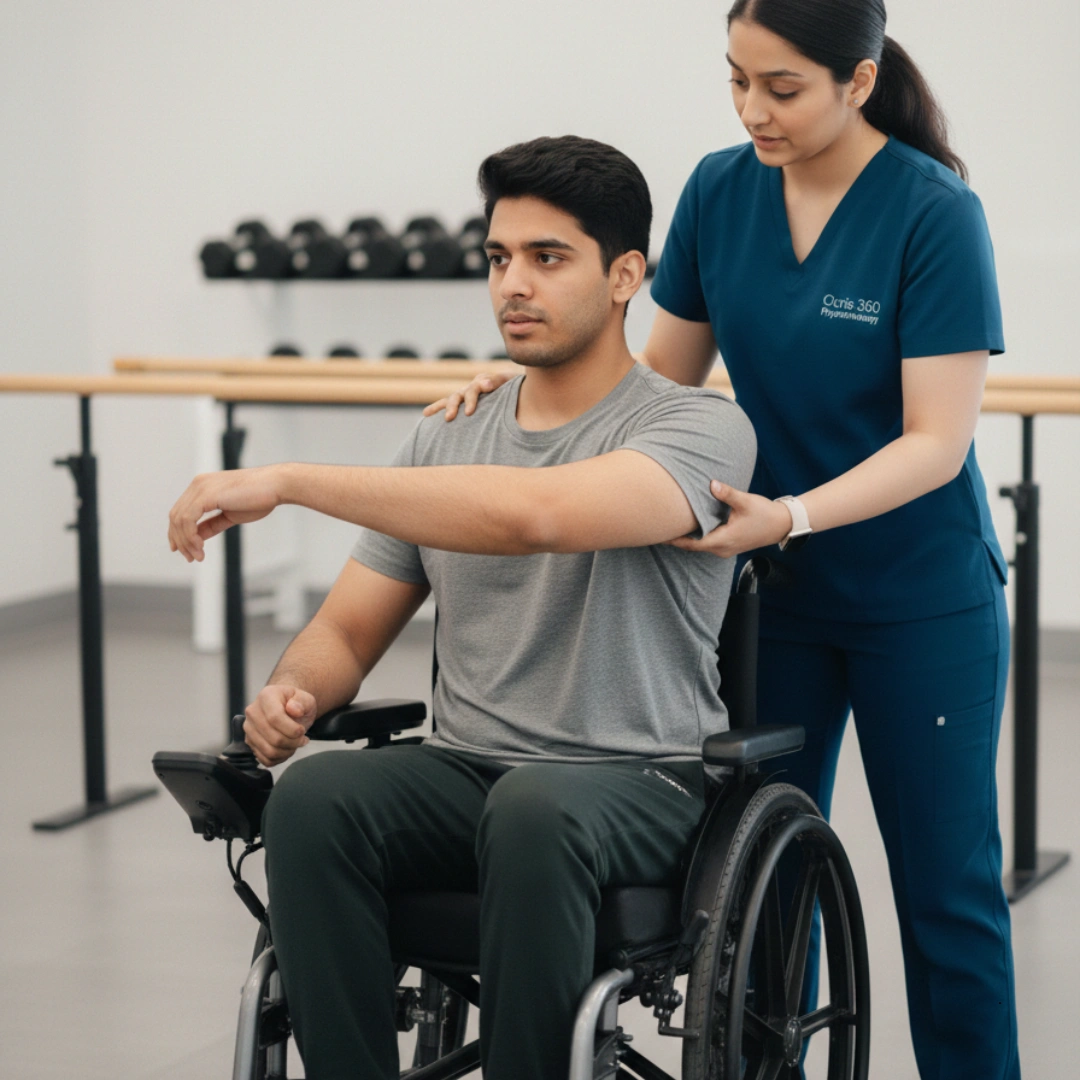
Walking Potential
While complete SCI recovery is complex, patients with incomplete injuries often regain significant walking ability through repetitive, task-oriented gait training.
0–3 Months
Neural activation control
3–6 Months
Strength & assisted walking
6–12 Months
Advanced gait training
Beyond 1 Year
Functional optimization
Regional Recovery Centers
Intelligence
Can spinal cord injury be cured?
While a 'cure' in the traditional sense depends on the severity (complete vs incomplete), clinical neuro-rehabilitation significantly improves functional independence, muscle control, and quality of life through neuroplasticity.
How long does SCI recovery take?
The most rapid recovery occurs in the first 6–12 months. However, with intensive clinical physiotherapy, patients can continue to see functional improvements for several years post-injury.
Is physiotherapy effective for paralysis?
Yes. Physiotherapy is the cornerstone of paralysis management. It prevents muscle wasting, manages spasticity, and re-trains the nervous system to utilize remaining neural pathways.
Is rehab useful years after an injury?
Absolutely. Even in chronic stages, specialized neuro-physiotherapy can help manage secondary complications, improve trunk control, and introduce new assistive technologies for better independence.
What is the best treatment for spinal cord injury?
A combination of medical management and intensive, multidisciplinary neuro-rehabilitation (including NDT, PNF, and gait training) is the gold standard for SCI recovery.
Is spinal cord injury recovery possible without surgery?
While surgery is often needed to stabilize the spine initially, the actual functional recovery of movement and sensation happens primarily through intensive neuro-rehabilitation.
How often should physiotherapy be done for SCI?
For significant neural gains, intensive therapy of 5–6 days a week is recommended during the sub-acute phase, transitioning to maintenance programs later.
Can incomplete spinal cord injury patients walk again?
Many patients with incomplete SCI regain the ability to walk with varying levels of assistance through intensive gait training and body-weight supported systems.
SCI Changes Life.
Rehab Changes the Future.
Visit our specialized Neuro Rehab Center. Immediate consultation: +917899844360