
Knee pain is one of the most searched health concerns in India — and for good reason. An estimated 40% of adults in Bangalore will experience significant knee pain at some point in their life, whether from sports injuries, age-related wear, or postural problems from long hours of desk work. The good news: the vast majority of knee conditions respond exceptionally well to physiotherapy treatment, often without surgery or long-term medication.
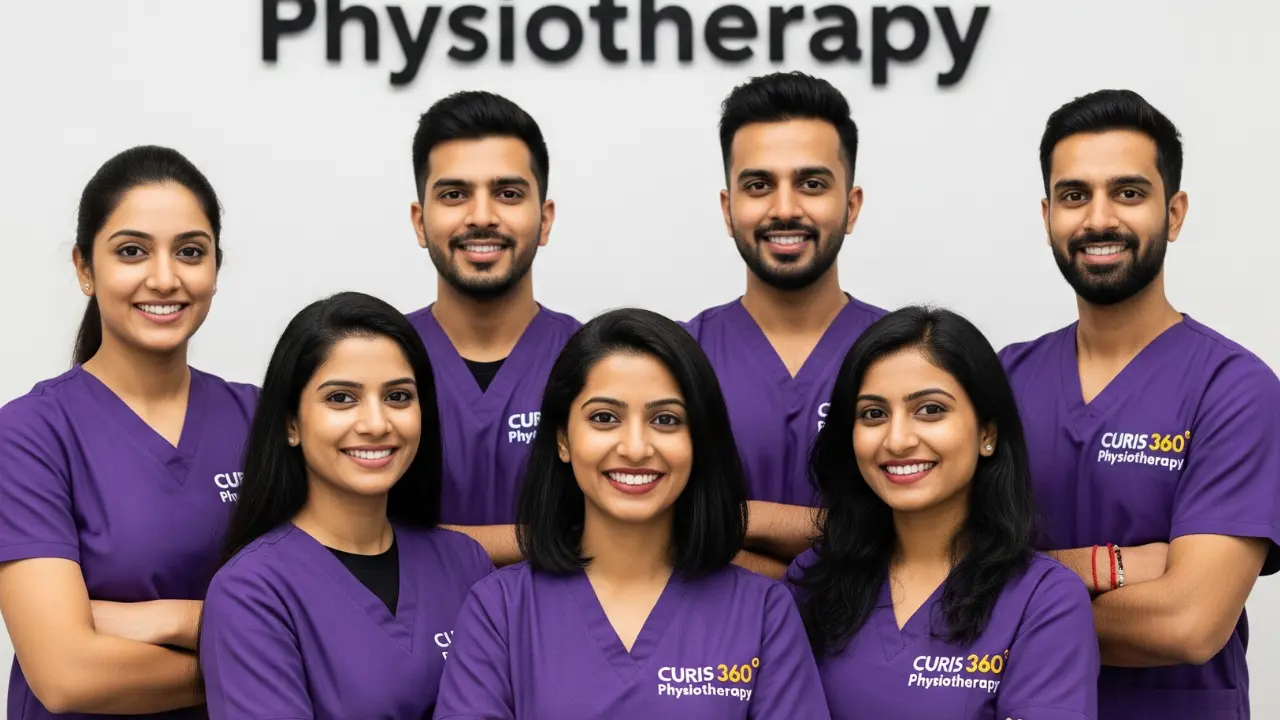
This guide is written by the clinical team at Curis 360 Physiotherapy, India's leading physiotherapy group in South Bangalore, with clinics in Jayanagar, Banashankari, and Vasanthapura. Whether you have been diagnosed with osteoarthritis, suffered a ligament sprain, or are struggling with unexplained knee stiffness — this is the most complete resource available on physiotherapy for knee pain.
What Causes Knee Pain? The Most Common Diagnoses
The knee is the largest and most complex joint in the human body, bearing up to seven times your body weight during activities like climbing stairs or squatting. This mechanical load, combined with its intricate structure of bones, cartilage, ligaments, tendons, and bursae, makes it uniquely vulnerable to injury and degeneration.
The most common causes of knee pain we treat at Curis 360 include:
Knee Osteoarthritis (OA)
The leading cause of chronic knee pain in adults over 45. OA involves the gradual breakdown of the articular cartilage that cushions the knee joint. Symptoms include morning stiffness lasting more than 30 minutes, a grinding sensation (crepitus), joint line tenderness, and progressive loss of mobility. Contrary to popular belief, physiotherapy is the first-line treatment recommended by international guidelines — ahead of injections and surgery.
Patellofemoral Pain Syndrome (Runner's Knee)
A dull, aching pain around or behind the kneecap (patella), worsened by sitting for long periods, climbing stairs, or squatting. Extremely common in runners, cyclists, and young professionals who sit for long hours. The cause is poor patellar tracking — often corrected within 6–10 weeks of targeted physiotherapy.
Ligament Injuries (ACL, MCL, PCL)
The anterior cruciate ligament (ACL) is the most commonly injured knee ligament, particularly in sports involving sudden direction changes (football, badminton, basketball). Physiotherapy is essential both as conservative management and as the mandatory preparation before and after surgical reconstruction.
Meniscal Tears
The menisci are two C-shaped cartilage discs that act as shock absorbers in the knee. Tears are common in athletes and older adults and typically cause pain on the inner or outer knee, a locking or catching sensation, and swelling. Many meniscal tears — especially degenerative ones — respond well to structured physiotherapy without surgery.
Iliotibial Band Syndrome (ITBS)
A sharp, burning pain on the outer side of the knee, most common in runners and cyclists. The IT band becomes tight and inflamed where it crosses the lateral femoral condyle. Physiotherapy focusing on hip strengthening and biomechanical correction is highly effective.
Patellar Tendinopathy (Jumper's Knee)
Pain and tenderness at the base of the kneecap, worsened by jumping, kicking, or rapid changes of direction. Common in volleyball and basketball players. Evidence-based eccentric loading protocols through physiotherapy are the gold standard treatment.
Post-Surgical Knee Rehabilitation
Whether recovering from ACL reconstruction, total knee replacement (TKR), or partial knee replacement, structured rehabilitation with a qualified physiotherapist is essential for regaining full strength, mobility, and function. Our team at Curis 360 Banashankari and Jayanagar specialise in accelerated post-surgical knee rehab protocols.
5 Clear Signs You Need Physiotherapy for Your Knee
Many people delay seeking treatment, hoping the pain will resolve on its own. Here are five indicators that you should see a physiotherapist now:
- Pain lasting more than 2 weeks — Acute knee sprains typically resolve within 10–14 days. Persistent pain signals a structural or biomechanical issue that needs assessment.
- Swelling that does not subside — Persistent joint effusion (fluid in the knee) indicates ongoing inflammation that needs management to prevent cartilage damage.
- Pain affecting your sleep or daily activities — If knee pain is changing how you walk, climb stairs, or sleep, early physiotherapy prevents compensatory injury to the hip, back, or opposite knee.
- Stiffness after sitting — If the knee takes more than a minute or two to "warm up" after sitting, this is a classic sign of patellofemoral syndrome or early OA.
- A previous injury that never fully recovered — Incompletely healed knee injuries are a leading risk factor for re-injury and long-term dysfunction.
If you are in South Bangalore, you can find a physiotherapy clinic near you at any of our three locations.
How Physiotherapy Treats Knee Pain: The Curis 360 Protocol
At Curis 360, we follow an evidence-based, structured approach to every knee pain case. Here is exactly what that looks like:
Step 1: Comprehensive Biomechanical Assessment (45–60 minutes)
Your first session begins with a detailed assessment covering:
- Pain history, onset, and aggravating/relieving factors
- Gait analysis — how you walk and distribute weight
- Muscle strength testing of the quadriceps, hamstrings, hip abductors, and calf
- Flexibility and joint range of motion
- Patellar tracking assessment
- Neurological screening to rule out referred pain from the lumbar spine
This assessment allows us to identify not just the knee symptoms, but the underlying biomechanical drivers — which is why our outcomes are significantly better than generic "knee strengthening" programs.
Step 2: Manual Therapy
Hands-on physiotherapy techniques significantly accelerate knee recovery:
- Joint mobilisation — Gentle graded movements to restore normal joint mechanics and reduce pain
- Soft tissue release — Targeted massage and myofascial release of the quadriceps, IT band, hamstrings, and calf
- Patellar taping (McConnell technique) — Corrects patellar tracking, provides immediate pain relief
- Trigger point therapy — Releases tight muscle knots in the vastus medialis, tensor fascia lata, and gluteus medius that contribute to knee pain
Step 3: Evidence-Based Exercise Therapy
This is the most important and lasting component of knee rehabilitation. Our exercise protocols are individualised to your diagnosis and level of function:
For Knee Osteoarthritis:
- Straight leg raises and terminal knee extensions to load the quadriceps without joint stress
- Cycling (stationary) for low-impact cardiovascular conditioning and cartilage nutrition
- Hip abductor and external rotator strengthening to offload the medial compartment
- Aquatic therapy referral for severe OA cases
For Patellofemoral Pain:
- Vastus medialis oblique (VMO) strengthening — the inner quad that controls patellar tracking
- Hip abductor strengthening — reduces internal femoral rotation that stresses the patella
- Step-down exercises with eccentric control
- Neuromuscular control drills
For Ligament Rehabilitation:
- Closed kinetic chain exercises (leg press, wall slides, step-ups) for early phase
- Proprioception and balance training (single leg stance progressions)
- Sport-specific agility and plyometric training for return to sport
Step 4: Electrotherapy Modalities
At our Curis 360 clinics, we use hospital-grade electrotherapy to accelerate tissue healing:
- Interferential Therapy (IFT) — Reduces deep joint inflammation and provides significant pain relief through electrical stimulation
- Therapeutic Ultrasound — Promotes healing of soft tissue injuries through thermal and non-thermal effects. Particularly effective for tendinopathy and bursitis
- Low-Level Laser Therapy (LLLT) — Evidence-based treatment for cartilage health and pain reduction in OA
- TENS (Transcutaneous Electrical Nerve Stimulation) — Non-invasive pain management for chronic knee pain
Step 5: Education and Home Programme
You will leave each session with a clear, written home exercise programme. Research consistently shows that patients who follow a structured home programme recover 40% faster than those who rely on clinic sessions alone.
The Best Physiotherapy Exercises for Knee Pain
These exercises are commonly prescribed at Curis 360. Please get a clinical assessment before starting any exercise programme — the wrong exercises for your specific diagnosis can worsen certain conditions.
1. Terminal Knee Extension (TKE)
- Stand facing a resistance band anchored at knee height
- Loop the band behind your slightly bent knee
- Slowly straighten the knee against resistance, hold 2 seconds, lower
- 3 sets × 15 repetitions
- Best for: OA, ACL rehab, patellofemoral pain
2. Straight Leg Raise
- Lie flat. Bend one knee, keep the other straight
- Tighten the straight leg's quadriceps, raise it to 45°, hold 2 seconds
- Slowly lower. Do not let the back arch
- 3 sets × 15 repetitions
- Best for: early post-surgical rehab, severe OA, meniscal tears
3. Wall Sit (Isometric Quad Hold)
- Stand with your back against a wall, feet hip-width apart
- Slide down until knees are at 45–90° (stay pain-free range)
- Hold for 30–60 seconds. Work up to 3 minutes total
- Best for: patellofemoral pain, patellar tendinopathy, early OA
4. Clamshell Exercise
- Lie on your side, knees bent to 45°, feet together
- Keep hips stacked, rotate the top knee upward like a clamshell
- Hold 2 seconds at top, lower slowly
- 3 sets × 20 repetitions each side
- Best for: IT band syndrome, patellofemoral pain, valgus knee collapse
5. Single Leg Step-Down
- Stand on a step, weight on one leg
- Slowly bend the stance knee, lowering the opposite foot towards the floor
- Control the descent for 3–4 seconds, do not let the knee cave inward
- 3 sets × 10 repetitions
- Best for: advanced OA rehab, ACL rehab, return to sport
How Long Does Physiotherapy for Knee Pain Take?
Recovery timelines vary by diagnosis and individual factors:
| Condition | Typical Recovery Time | Sessions Required | |---|---|---| | Patellofemoral Pain (Mild) | 4–8 weeks | 8–12 sessions | | Knee OA (Grade 1–2) | 8–12 weeks | 12–18 sessions | | Ligament Sprain (Grade 1–2) | 4–10 weeks | 10–16 sessions | | Meniscal Tear (Conservative) | 8–16 weeks | 16–24 sessions | | Post-ACL Reconstruction | 9–12 months | 30–48 sessions | | Total Knee Replacement | 3–6 months | 20–36 sessions |
These are general guidelines. Your physiotherapist at Curis 360 will provide a personalised recovery timeline at your first assessment.
Home Physiotherapy for Knee Pain in Bangalore
If you are unable to travel to a clinic — whether due to severe pain, mobility limitations, or post-surgical recovery — our home physiotherapy service brings the same evidence-based treatment directly to your door. Our home physio team serves all of South, North, East, and West Bangalore.
Sessions include manual therapy, guided exercises, electrotherapy with portable equipment, and progress monitoring — exactly as in clinic.
Frequently Asked Questions About Knee Pain Physiotherapy
Can physiotherapy cure knee osteoarthritis? Physiotherapy cannot reverse structural cartilage damage, but it is the single most effective treatment for managing OA symptoms, improving function, and significantly slowing progression. Studies show that physiotherapy is more effective than cortisone injections for long-term OA outcomes. Most of our OA patients achieve 60–80% reduction in pain and near-normal function within 3 months.
Is physiotherapy better than surgery for knee pain? For the majority of knee conditions — including meniscal tears, ligament sprains, and OA Grades 1–3 — research clearly shows that structured physiotherapy achieves outcomes equivalent to surgery, without the risks and lengthy post-operative rehabilitation. Surgery is typically indicated for complete ACL or meniscal tears, late-stage OA requiring joint replacement, or when conservative treatment has genuinely failed.
How many physiotherapy sessions will I need for knee pain? For mild-to-moderate knee pain, most patients see significant improvement within 8–12 sessions over 6–8 weeks. Chronic conditions like knee OA or post-surgical rehab typically require 16–30 sessions over 3–6 months. Your Curis 360 physiotherapist will give you a clear estimate at your first session.
Should I rest or exercise with knee pain? This is the most important question in knee pain management. The answer is: it depends entirely on the diagnosis. Complete rest is rarely recommended — it leads to muscle weakness and accelerates OA progression. However, the type of exercise matters enormously. High-impact activities (running, jumping) should typically be avoided until the diagnosis is clear. A physiotherapist will prescribe the exact exercises that are safe for your specific condition.
What is the cost of physiotherapy for knee pain in Bangalore? At Curis 360, an initial assessment and treatment session costs ₹900. Follow-up sessions range from ₹600–₹1,200 depending on treatment modalities. Book your assessment here — no referral needed.
Can I get physiotherapy for knee pain at home in Bangalore? Yes. Our home physiotherapy service covers all of Bangalore. A named Curis 360 physiotherapist will visit your home with portable equipment. Sessions from ₹800.
Book Your Knee Pain Assessment at Curis 360
The clinical team at Curis 360 — led by Dr. Ponkhi Sharma PT (19 years, 5,000+ patients) — specialises in evidence-based knee rehabilitation at our three South Bangalore clinics:
- Curis 360 Jayanagar — 7th Block, KR Road
- Curis 360 Banashankari — 3rd Stage, behind D-Mart
- Curis 360 Vasanthapura — ISRO Layout
Assessment sessions from ₹900. Open Monday–Saturday, 8 AM–8:30 PM. No referral needed. Book your appointment today or call +91 78998 44360.
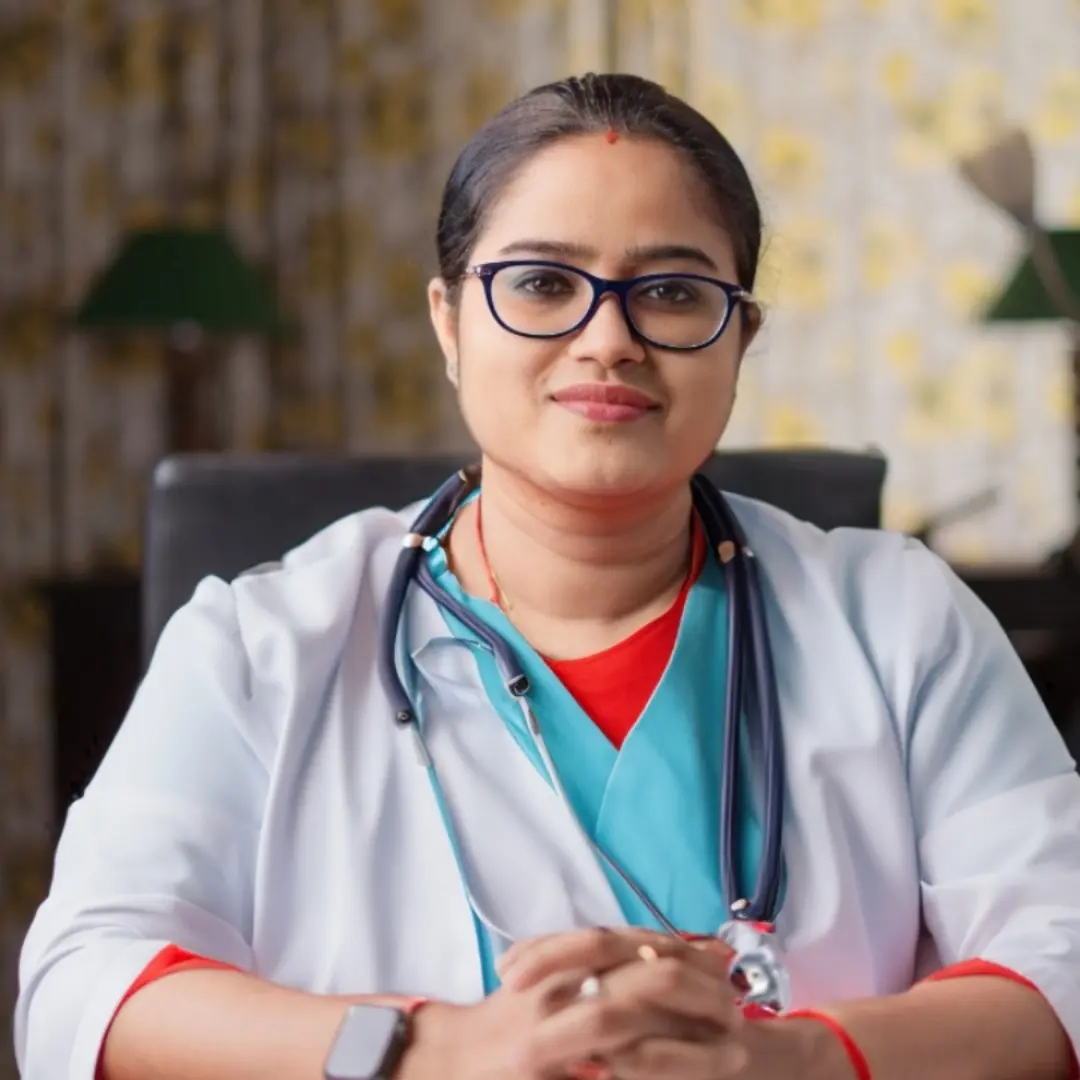
Dr. Ponkhi Sharma PT
Clinical Director at Curis 360. Specializing in advanced rehabilitation, evidence-based manual therapy, and holistic patient care in Bengaluru.
View Full Clinical Profile